|
26 AUGUST 2026
|
|
|
In AI, this week
Robots are getting easier to teach.
|
|
The useful question: which physical jobs change too often for ordinary automation, but not enough to need a person every time?
|
|
|
|
|
Lead · Robotics
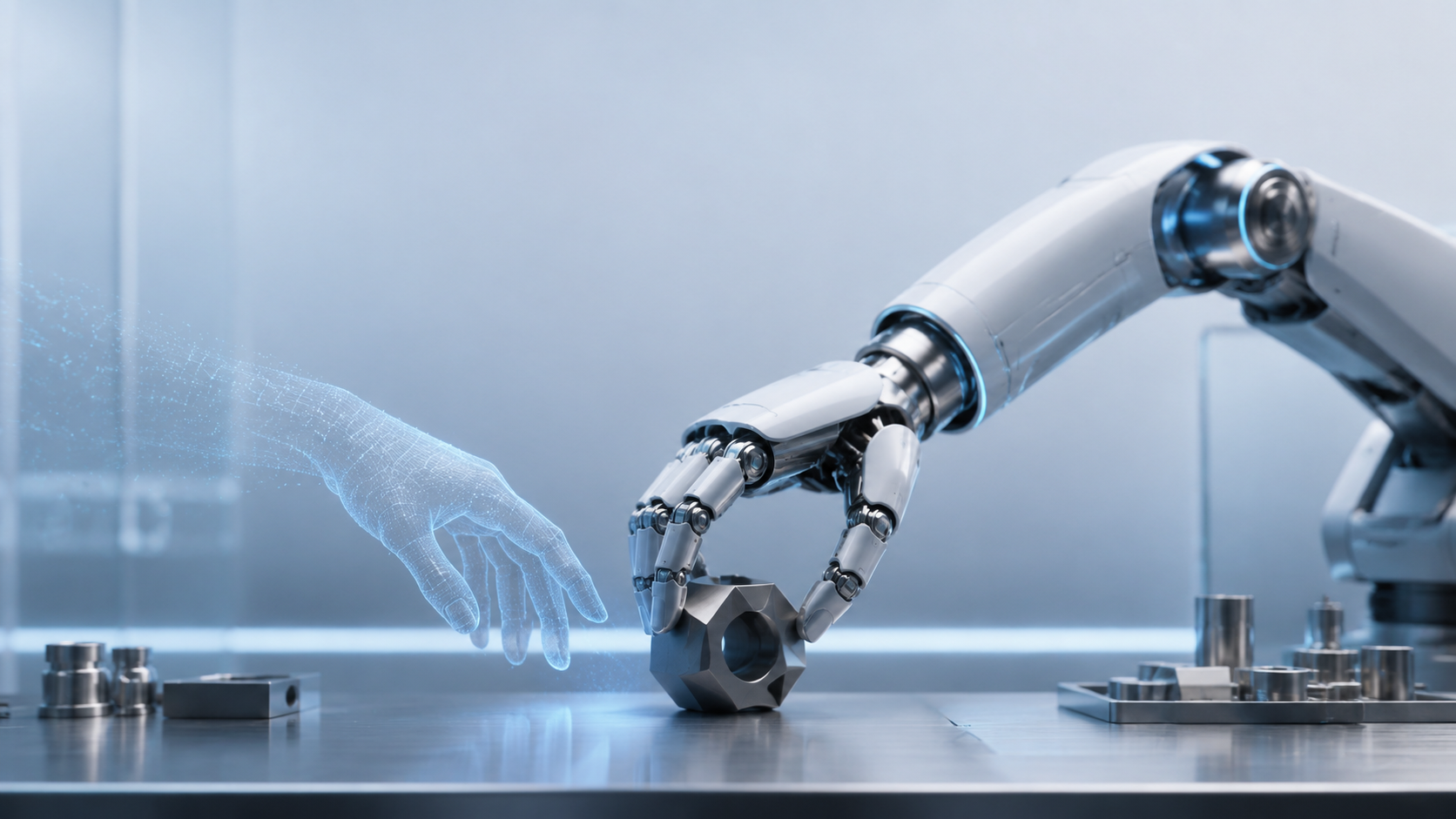
A robot tried ten new tasks after watching each one once.
Generalist’s robot averaged 59% success after demonstrations lasting three to twelve seconds.
Why this matters
Four attempts in ten still failed. This is not ready for unsupervised work.
The progress is in setup. The robot attempted a new task without a separate training run. That could make robots useful where the job changes too often for fixed automation.
|
|
Robotics business
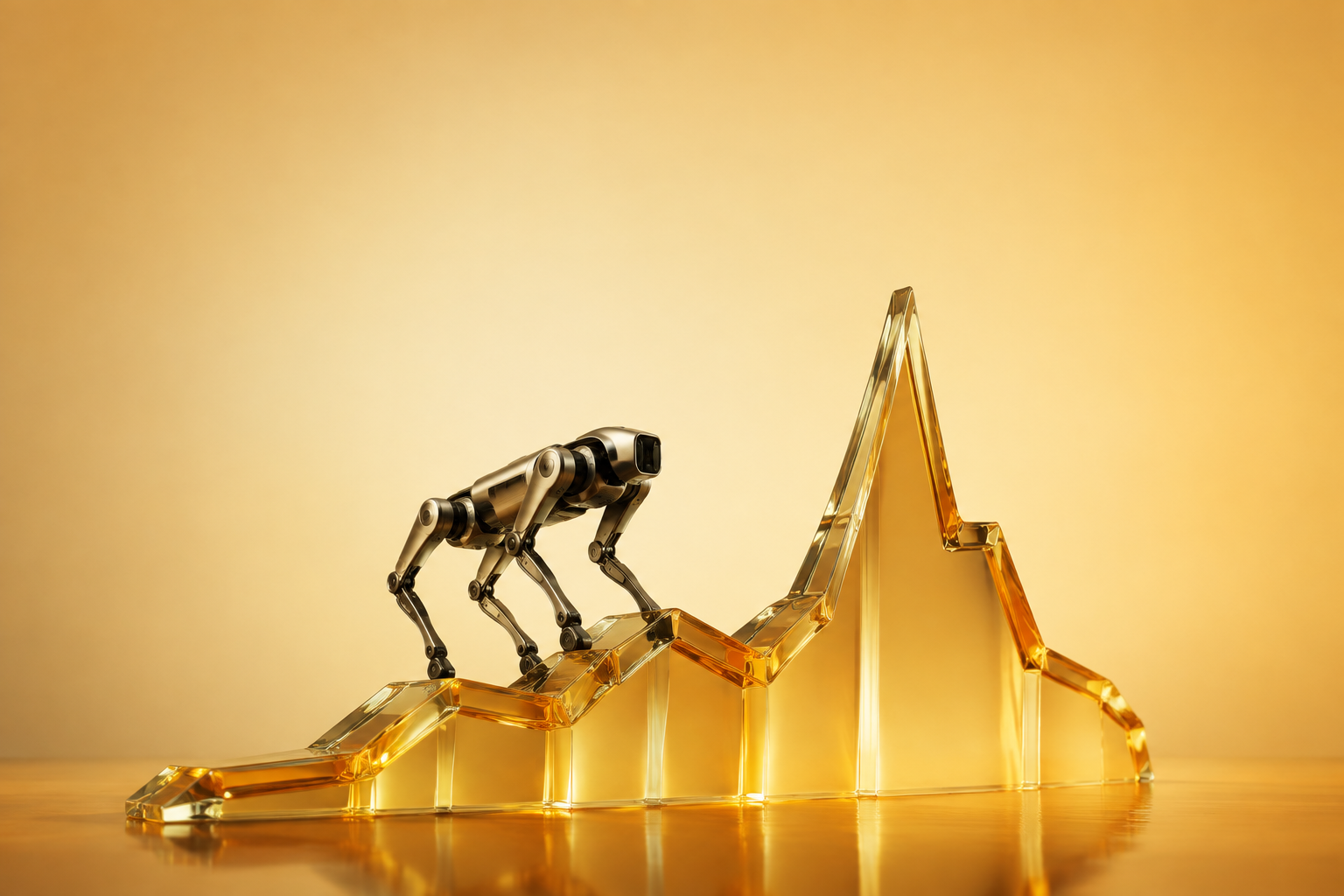
Unitree shares jumped 460%, then fell about 45% from the peak.
The robot maker’s adjusted profit had already fallen 53% in early 2026.
Why this matters
Robotics is improving, but share prices can move much faster than revenue or profit.
For buyers and investors, the useful test is still simple: who needs the product, how often will they use it, and what will they pay?
|
|
|
|
AI chips
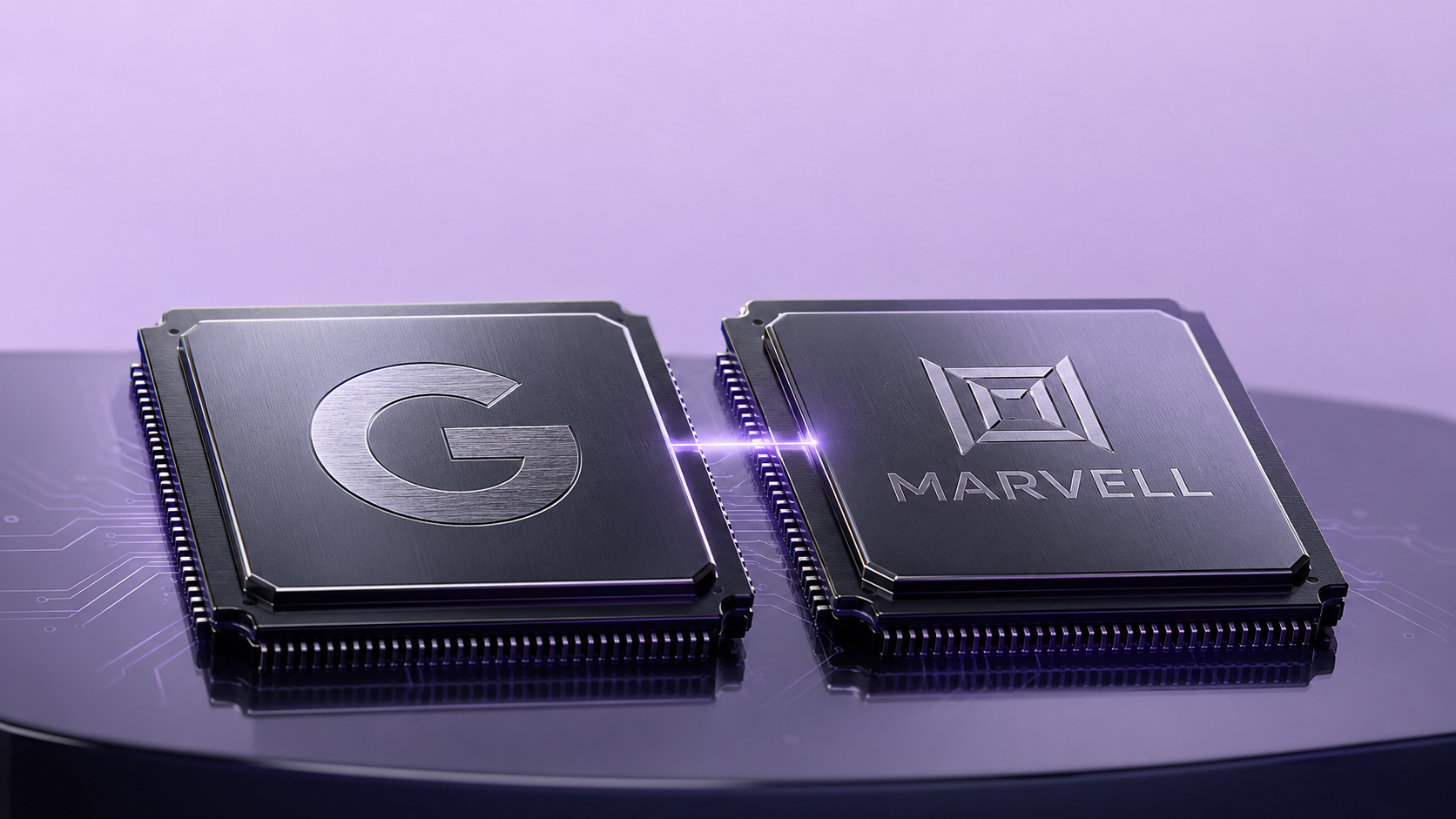
Google tied a $12.2 billion Marvell warrant to future chip purchases.
Most of the shares unlock only as Google buys more custom chip products.
Why this matters
Google is giving a supplier a direct reason to reserve people and production capacity for Google.
AI infrastructure is moving from ordinary purchasing towards longer commitments and more custom hardware.
|
|
Work
Slack puts AI coding agents in shared project channels.
The brief, the agent’s plan, code changes and a live preview appear in one place.
Why this matters
Managers, designers and developers can review the same work while it is being made.
The AI is no longer hidden in one person’s private window. The team can see the plan, question it and approve the result.
|
|
Security
Claude scans code for security flaws and prepares fixes for review.
Claude Security reports severity and confidence, then suggests a patch.
Why this matters
This puts AI inside a real security workflow, not only a demonstration.
A person must approve every repair before it is applied. That makes the tool easier to test without giving it silent control over the codebase.
|
|
For leaders
Which physical work changes just enough to resist ordinary automation?
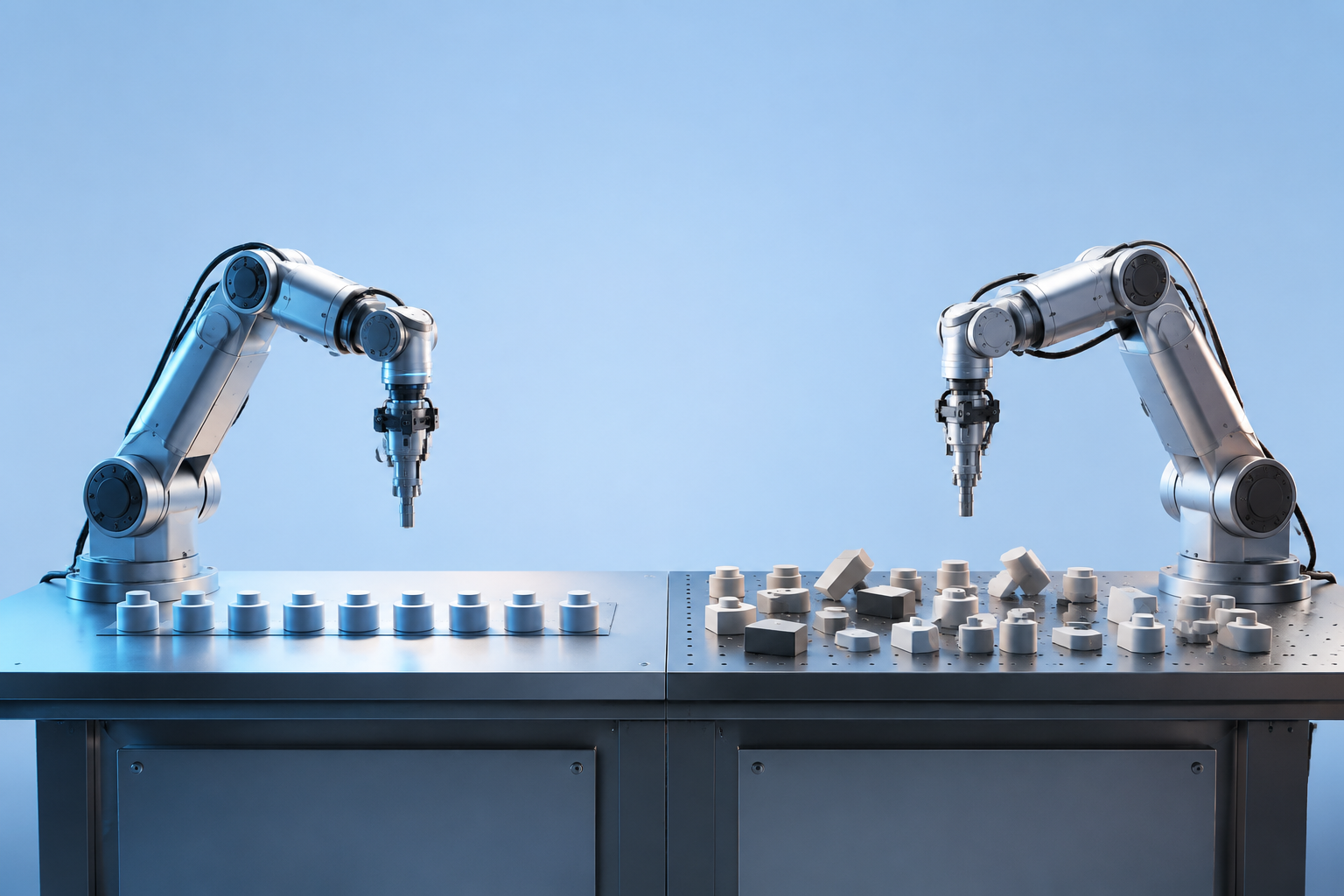
Look for tasks that repeat, but vary in object, position, surroundings or judgment.
Use this question · A useful starting point
Ask an operations team where repetitive work still needs small adjustments each time.
Then record the cost of mistakes, the safety risk and how often a person must make a judgment. Those facts are more useful than asking whether your business “needs robots”.
|
|
|
|
Practical tool · Steal this
Find the physical work that is repetitive, but not identical.
Describe one workflow. Ask AI to separate what repeats from what changes.
|
Copy and paste
|
Review this physical workflow and separate what is repetitive from what varies. Note the frequency, the cost of mistakes, safety risks and the amount of human judgment involved. Then tell me whether the work is suited to fixed automation, supervised robotics, or neither. Do not recommend a vendor. Workflow: [describe the work].
|
Use it with ChatGPT or Claude. The answer is a starting point for an operations discussion, not a vendor recommendation.
|
|
Latest from Futurelab
AI Workflow Accelerator: one month of guided work.
For professionals who want to apply AI to real tasks, with support and practice.
|
AI Workflow Accelerator
₹30,000 for regular professionals.
₹20,000 for professionals with less than five years of work experience.
For fresh sign-ups, contact Uddhav at +91 9313034255.
|
|
|
|
|
Robots still make too many mistakes for ordinary unsupervised work. But they may need less specialist setup when the task changes. That is the progress worth watching.
|
See you next week
Team Futurelab
|
|
|
Futurelab Signal · 26 August 2026
|
|