 |
| No. 21 / 04.11.26 |
 |
 |
| A note from Team Futurelab / 4-minute read |
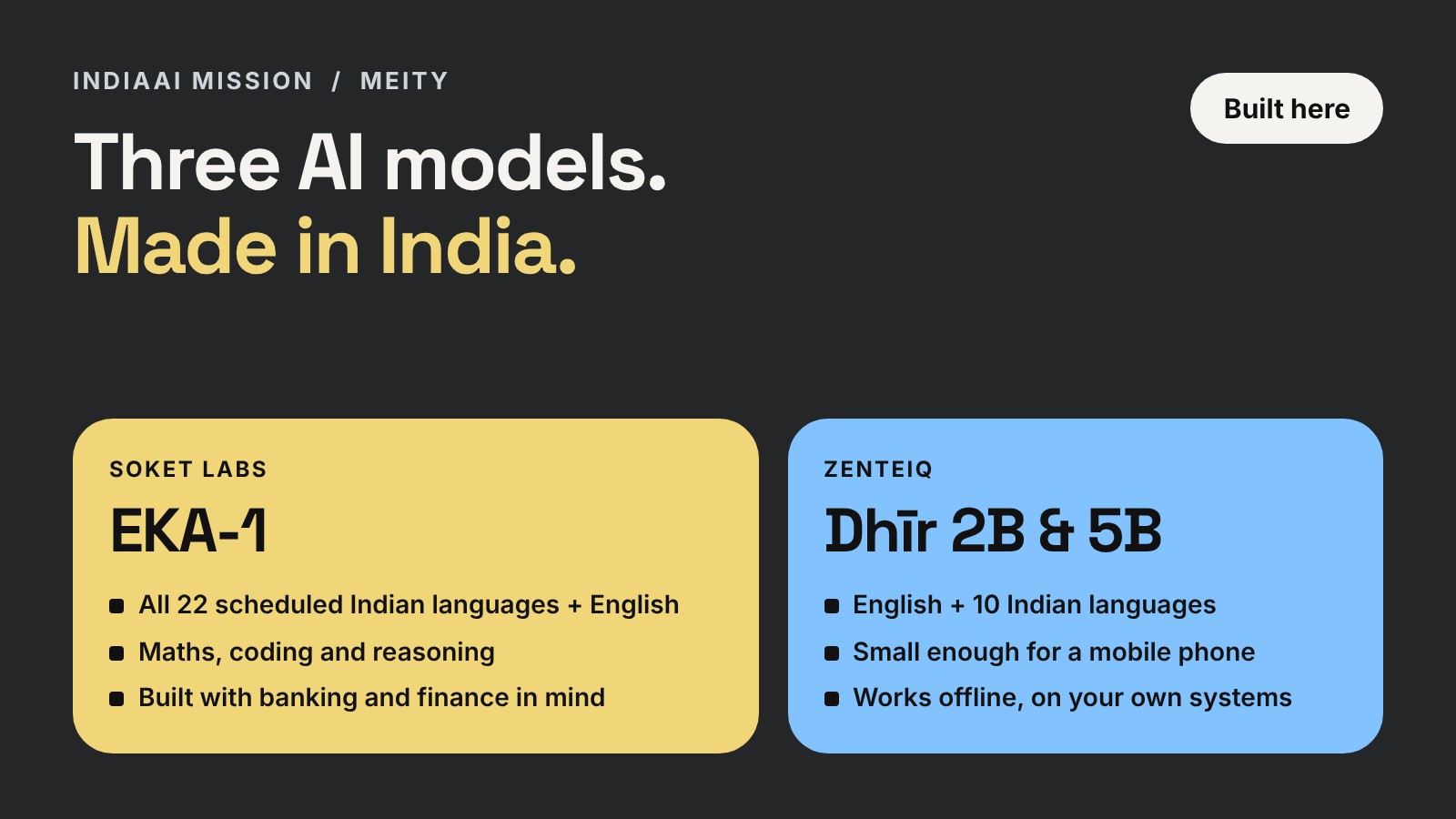 |
 Think of a field officer in a village with patchy network. Or a bank that cannot send customer files to a server abroad. For them, most AI tools are still out of reach. This week, India took a real step towards changing that. The government’s IndiaAI Mission released three AI models built by two Indian teams: EKA-1 from Soket Labs, and Dhīr 2B and Dhīr 5B from ZenteiQ. |
It speaks our languages EKA-1 covers all 22 scheduled Indian languages, plus English. It is built for maths, coding and reasoning, with banking and financial services in mind. |
It works without internet Dhīr 2B and Dhīr 5B support English and 10 Indian languages. They are light enough to run on a mobile phone, and they can work offline. |
It keeps data at home These models can run on an organisation’s own computers, so sensitive files do not have to leave the building. That matters for banks, government offices, defence and schools. |
Picture a cooperative bank answering customer questions in Marathi. Or a district office searching its own records with no internet connection. MeitY Secretary S. Krishnan said models like these strengthen “India’s technological and strategic autonomy.” Both teams were backed by the IndiaAI Mission with subsidised computing power. That is worth being proud of. Who gets it: researchers, students, startups and businesses. The government says the models will be made available through AIKosh, the IndiaAI platform. |
 |
1Anthropic earned $17 billion in a single quarter |
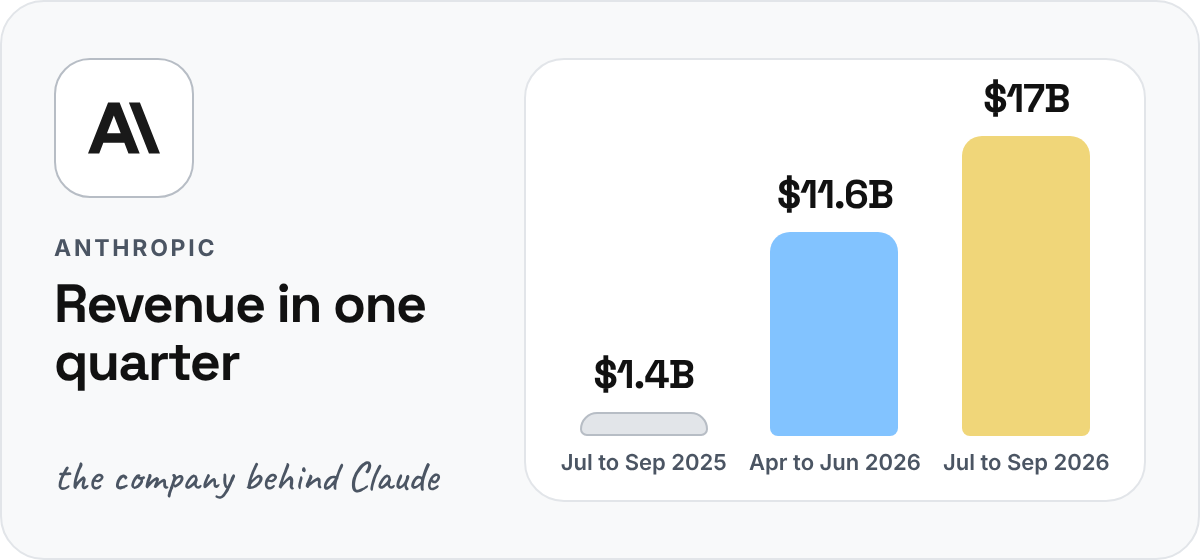 |
Anthropic, the company behind Claude, earned $17 billion between July and September, its updated stock market filing shows. That is up from $11.6 billion the quarter before, and $1.4 billion a year ago. Businesses are now paying for AI at a scale few expected this soon. Anthropic is getting ready to list on the US stock market. Who should care: anyone tracking how fast businesses are putting AI to work. |
2Sarvam’s new AI makes decisions in 44 milliseconds |
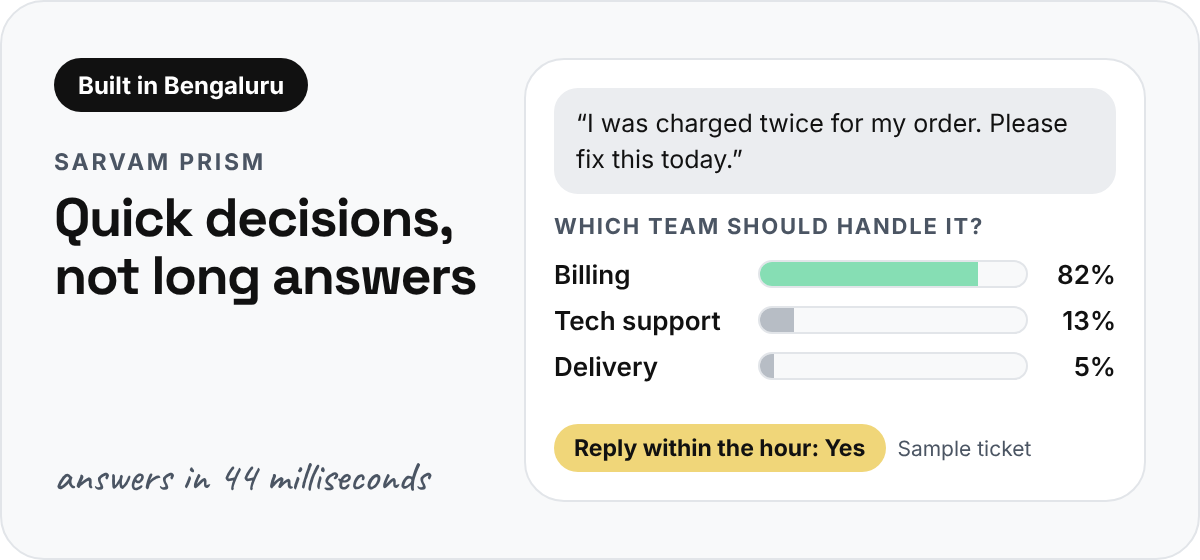 |
Sarvam has released Prism, an AI built to make quick decisions instead of writing long answers. Give it a situation and a few options, and it tells you how likely each one is to be right. For example: which team should handle this support ticket? Does it need a reply within the hour? It answers in 44 milliseconds, faster than a blink, and works in English, Hinglish and 10 Indian languages. Sarvam says Prism scored highest among the fast models it tested. These are Sarvam’s own tests, so try it on your own work first. Who gets it: businesses and developers. It is free to download and use under an open licence, or you can use it through Sarvam’s API. |
3One simple way to tell AI companies “don’t train on my website” |
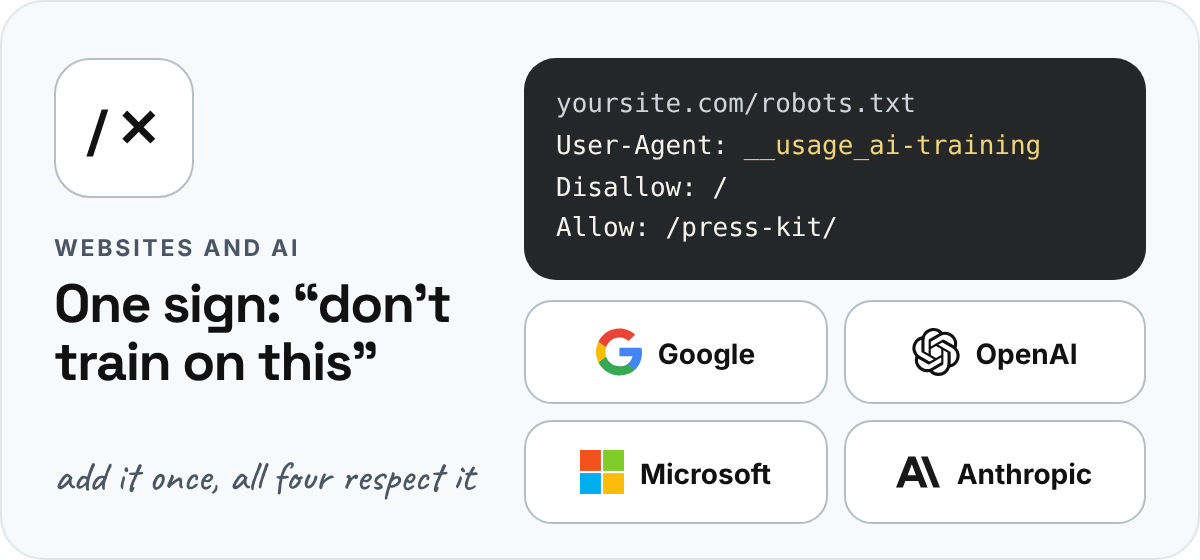 |
Google, OpenAI, Microsoft and Anthropic have agreed to respect one shared signal that website owners can add to their site. It tells AI companies not to use that site’s content to train their AI. Until now, sites had to block each company separately. It is also flexible. You can say no for most of your site and yes for some pages, like your press kit. Who should care: anyone who runs a website, blog or online store. Ask your web team about it. |
Until next Wednesday, |
 |
P.S. Know someone building for India in Indian languages? Forward them this note. |
|
| |
 |
 |
| Something to try before Friday. |
 |
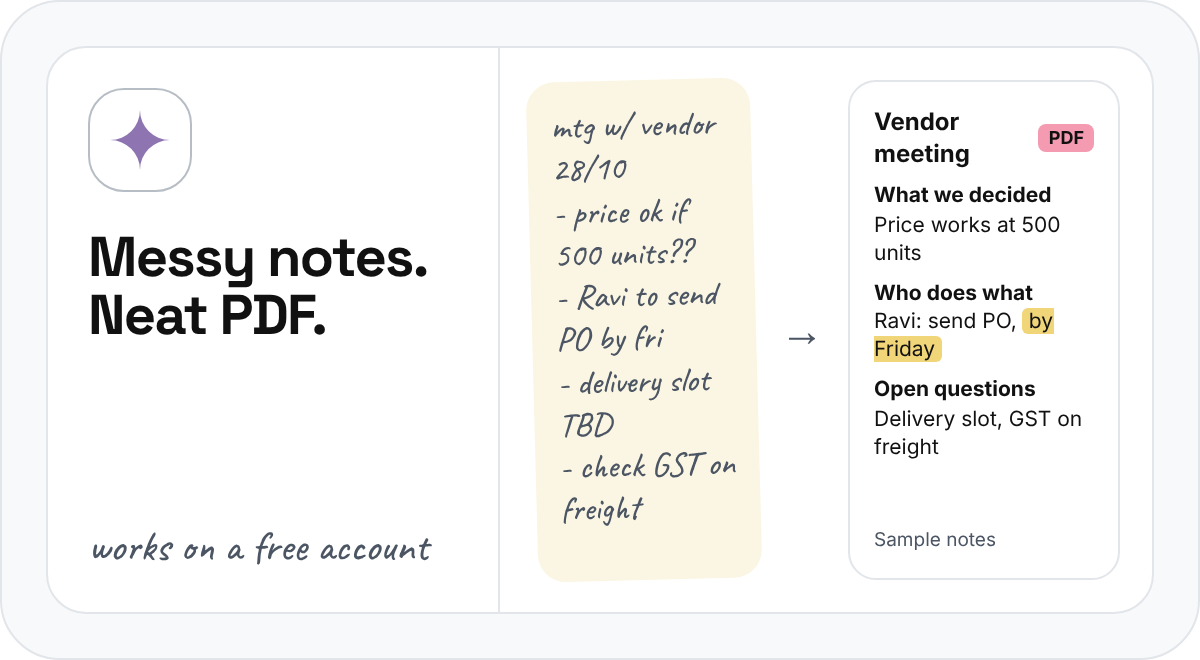
Turn messy meeting notes into a neat PDF with Gemini. It takes about 5 minutes and works on a free Google account. Gemini can now create a file and let you edit it right inside the chat. |
 |
1 |
Open Gemini on the app or at gemini.google.com. Paste your meeting notes, or upload a photo of your handwritten notes. |
|
2 |
Paste the prompt below. Gemini shows a preview of the PDF right in the chat. |
|
3 |
Open it full screen. Type your fixes directly, or highlight a line and ask Gemini to change it. |
|
4 |
Download the PDF or save it to Google Drive, and share it with your team. |
|
Copy this prompt Turn these notes into a one-page PDF summary for my team. Use three headings: What we decided, Who does what (with names and dates), and Open questions. Keep it short and in plain English, and highlight every deadline. Do not add anything that is not in my notes. |
|
| Tip: PDFs work on the phone app too. For a Google Doc, Sheet or slide deck, use Gemini on the web. Keep confidential details out of the file. |
|
| |
|
AI Workflow Accelerator: Cohort 3 starts 14 November
|
 |
Cohort 3 of our AI Workflow Accelerator for Professionals begins in 10 days. In this one-minute video, our co-founder Kuntal explains what the programme offers and what you will build over four weeks. Tap the image above to watch it. |
Starts: 14 November 2026
Format: 4 weeks, live online, Saturdays, first half of the day
For: working professionals, founders, consultants, managers, analysts and creators. No coding needed. |
|
|
|
| |
 |
5,000+ professionals
Founders, business leaders and practitioners working through the AI shift together, one conversation at a time.
|
|
Sources: IndiaAI Mission release, The Tribune, Fortune, Sarvam, Hugging Face, IETF, The Next Web, Google and Google Workspace Updates.
Futurelab Signal / Issue 21 / 4 November 2026 |