|
2 SEPTEMBER 2026
|
|
|
In AI, this week
AI is becoming useful inside things we already use.
|
|
The most interesting AI stories this week. One began with a heart test hospitals have used for decades. Another began inside a chat window that millions of people already use. Both point to the same shift. AI is moving into existing habits, where one small improvement can reach a very large number of people.
|
|
|
|
|
Healthcare
An AI system can flag hidden heart disease from a routine ECG in under two seconds.
Researchers at Imperial College London have built an AI system that reads a routine ECG and looks for signs of heart failure and valve disease.
It was trained on more than 10 million ECGs. In testing with 67,000 patients, it identified up to 81% of heart failure cases and up to 90% of valve disease cases.
The system is now being tested with NHS patients.
Why this matters
About one billion ECGs are already carried out around the world every year.
The system does not replace a doctor or an ultrasound scan. It can help doctors decide which patients should receive further tests sooner.
Useful because it finds value in information that hospitals already collect.
|
|
Advertising
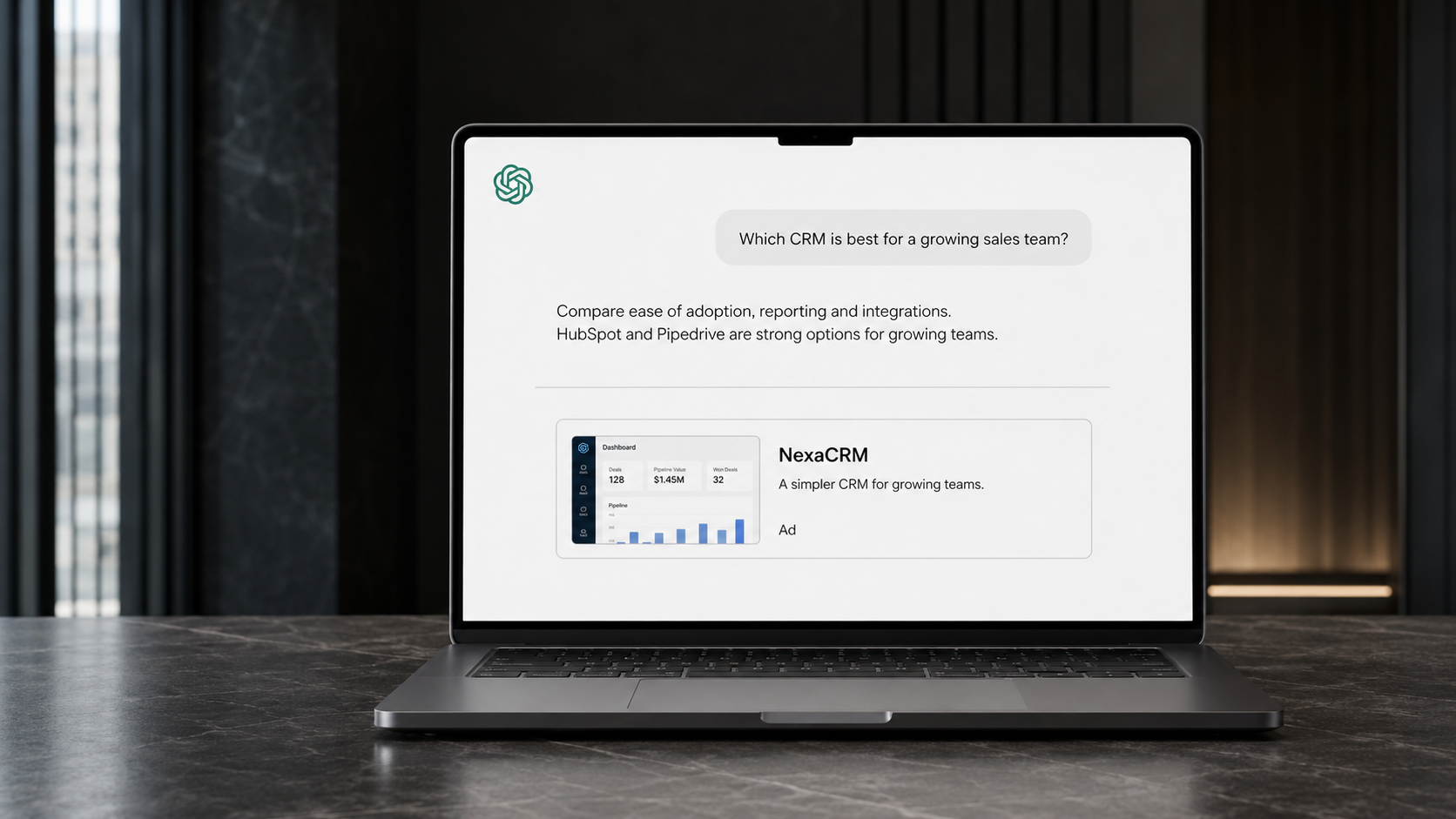
ChatGPT’s advertising business reaches a $1 billion annual pace.
OpenAI says ChatGPT Ads has reached a $1 billion annualised revenue pace less than 200 days after launch.
Tens of thousands of advertisers are now using the platform. OpenAI has also launched self-service access for advertisers in India, Europe, the Middle East and North Africa.
The company says ads remain clearly labelled and separate from ChatGPT’s answers. Advertisers do not receive access to people’s private conversations.
Why this matters
People already use ChatGPT to compare products, research services and make decisions.
That makes ChatGPT a new place where brands can be discovered. For businesses in India, self-service access makes it a marketing channel worth watching now.
For users, the important question is whether advertisements continue to remain clearly separate from the answers they receive.
|
|
|
|
Practical tool · Steal this
Review and manage your advertising accounts from ChatGPT.
The problem: Your advertising data is spread across different platforms, so checking performance means opening several dashboards.
1. Create a Windsor.ai account and connect the advertising platforms you use, such as Google Ads, Meta Ads or LinkedIn Ads.
2. Select the accounts you want Windsor.ai to access.
3. Open the Windsor.ai app in ChatGPT and approve the connection.
4. Start a new chat with Windsor.ai enabled. Ask ChatGPT to list your connected accounts and review their performance.
5. On supported platforms, you can ask ChatGPT to pause campaigns, turn them back on or adjust budgets. ChatGPT will ask for your approval before making a change.
Copy and paste
|
Compare my Google Ads and Meta Ads performance for the last seven days. Show me the spend, leads, cost per lead and return from each account. Point out anything unusual and suggest what I should check. Do not change anything until I approve it.
|
Why it works: The useful part is having data from several advertising accounts inside one conversation.
You can review performance and make approved changes without moving between different advertising dashboards.
|
|
Latest from Futurelab
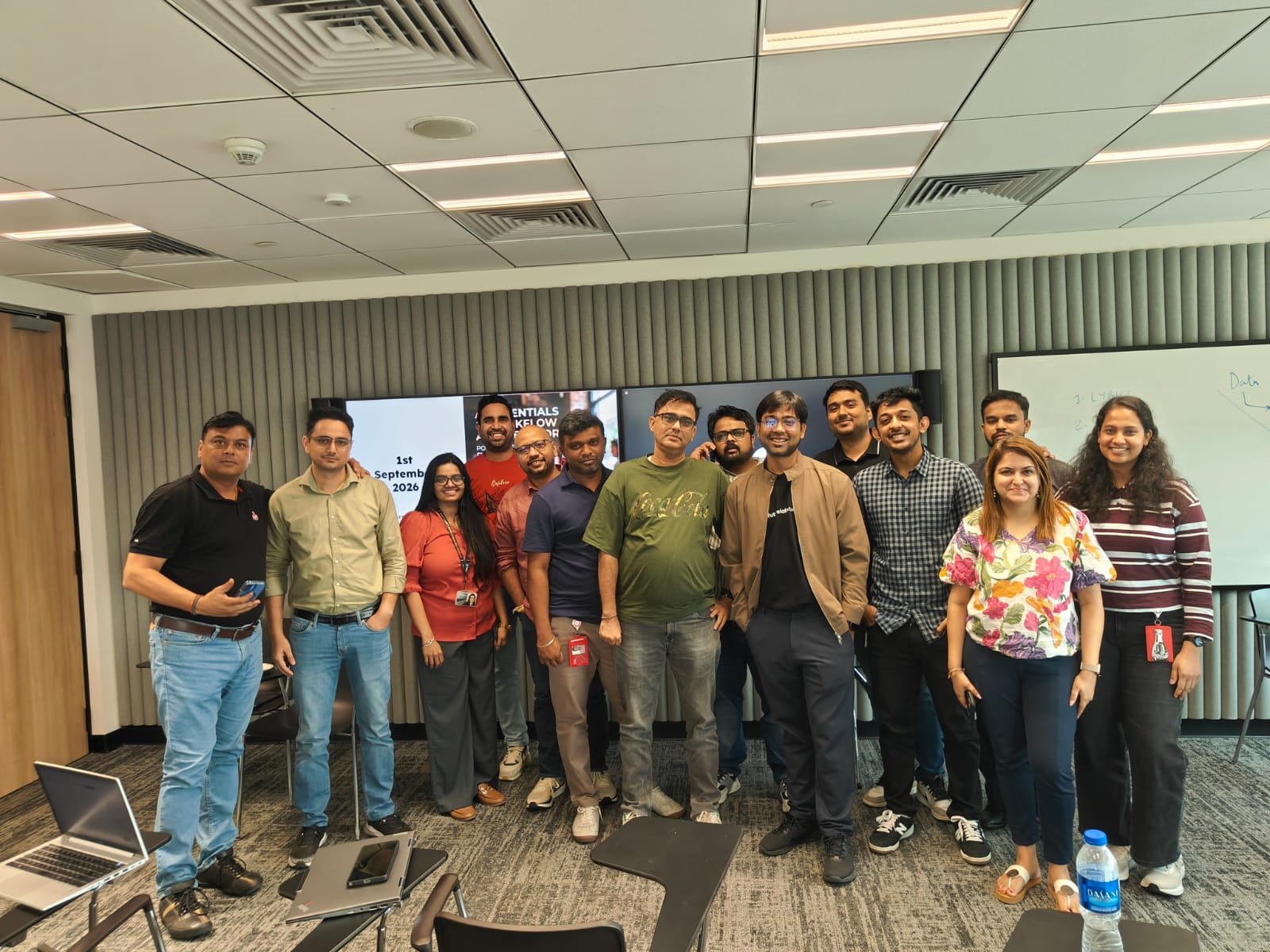
A day with Coca-Cola India’s Customer Development team.
Yesterday, we spent the day with Coca-Cola India’s Customer Development team for a practical workshop on using AI at work.
We explored workflow automation, data analysis, documentation, presentations, internal Copilots, reducing hallucinations and building agents inside tools that teams already use.
The questions were practical, curious and wide-ranging.
If your enterprise team would like a practical AI workshop like this, let’s talk ↗
|
|
|
|
So, what connects these stories?
Each adds a useful new layer to a test, a conversation or a workflow that already exists. That may be the practical AI story worth watching. Not only what the technology can do, but how easily it fits into work people already do.
|
See you next week
Team Futurelab
|
|
Join the Conversation
5,000+ professionals
Founders, business leaders, and practitioners navigating the AI transition together.
|
|
|
|
Futurelab Signal · Issue 12 · 2 September 2026
|
|